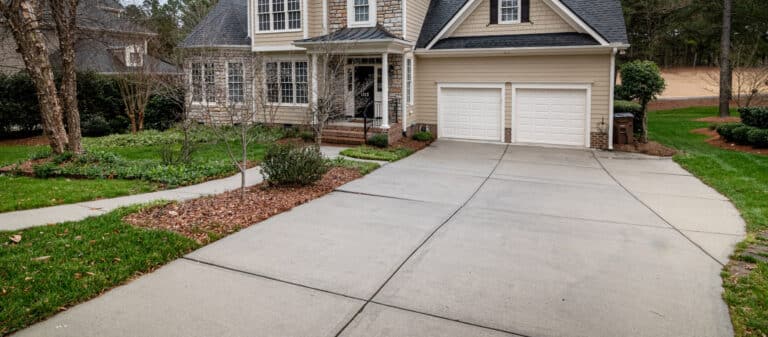

The highest payback winter moves for a Northeast Pennsylvania home, in order, are air sealing the attic, bringing attic insulation to R-49 to R-60, insulating rim joists and basement walls, sealing ducts, and then insulating walls. The first three stop most of the heat loss, and all of them can be finished before the coldest months.
That order matters more this year. The U.S. Energy Information Administration’s Winter Fuels Outlook, published October 6, 2026, expects households that heat with oil, most of them in the Northeast, to spend about 21% more this winter, an average of $2,115 for the season. Northeast homes on natural gas are forecast to spend about 14% less, an average of $879. Whichever fuel heats your house, every bit of warmth that leaks through the attic or foundation is fuel you paid for but didn’t get to use.
This guide ranks 11 insulation and air sealing moves by payback, explains what each one does, and separates the weekend projects from the work that belongs to a professional. If you are choosing materials rather than priorities, our guide to the best insulation for cold weather in Scranton compares them room by room, and our plan for insulating a Northeast PA attic goes deeper on that one space.
Schedule My Free Insulation Inspection Today
Where Does a NEPA Home Lose the Most Heat in Winter?
A NEPA home loses the most heat through the attic and through air leaks, because warm air rises and escapes at the top of the house while cold air is pulled in at the bottom to replace it. Builders call this the stack effect, and it runs every hour the furnace does. The leaks that feed it are rarely the ones you can feel at a window. They are the gaps around plumbing stacks, wiring holes, chimney chases, recessed lights, and the attic hatch, along with the rim joist where the frame of the house sits on the foundation.
The U.S. Department of Energy estimates that the potential energy savings from reducing drafts may range from 10% to 20% per year, which is why air leaks come before insulation depth on this list. Northeast Pennsylvania adds two local factors. The heating season recorded by the National Weather Service for Scranton and Wilkes-Barre runs from October well into April, and much of the housing in the Wyoming and Lackawanna valleys was built before 1940 with balloon-framed walls that act like open chimneys from the basement to the attic.
The basement is the other half of the loop. Rim joists and foundation walls are where cold air enters, and bare concrete, block, or stone pulls heat out of the house all winter. Sealing the top and the bottom of the house first changes how the whole building behaves, and it often reduces the amount of wall work needed later. Our post on why air sealing your attic is worth it explains the mechanics in more detail.
Schedule My Free Insulation Inspection Today
What Should I Insulate First on a Budget?
Insulate in the order shown in the table below, which ranks the 11 moves by how quickly each one pays back in a typical Northeast Pennsylvania home. Cost and payback are shown as relative levels rather than dollar figures, since the real numbers depend on the size, age, and condition of the house. The first five moves deliver most of the savings, and moves six through ten are low-cost projects that many homeowners can finish in a weekend.
| # | Move | Relative cost | Payback | DIY or pro |
|---|---|---|---|---|
| 1 | Air seal the attic floor | Low to moderate | Fastest | Pro for best results; DIY possible in an open attic |
| 2 | Bring attic insulation to R-49 to R-60 | Moderate | Fast | Pro for blown insulation; DIY possible with rolls |
| 3 | Insulate and weatherstrip the attic hatch or stairway | Low | Fast | DIY |
| 4 | Seal and insulate the rim joists | Moderate | Fast | Pro for spray foam |
| 5 | Insulate basement or crawl space walls | Moderate to high | Moderate | Pro |
| 6 | Seal and insulate ductwork | Low to moderate | Fast | DIY for accessible runs; pro for the rest |
| 7 | Weatherstrip windows and doors | Low | Fast | DIY |
| 8 | Seal exterior gaps and penetrations | Low | Fast | DIY |
| 9 | Insulate the water heater tank and hot water pipes | Low | Moderate | DIY |
| 10 | Seal the fireplace and chimney when not in use | Low | Moderate | DIY for the damper; pro for the chase |
| 11 | Insulate exterior walls | High | Slower | Pro |
Schedule My Free Insulation Inspection Today
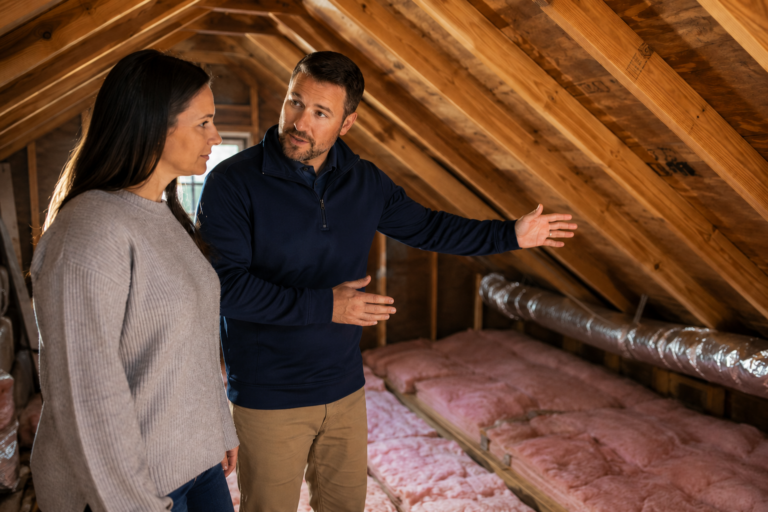
Moves one through three are the attic. Air sealing comes first, followed by blown fiberglass or cellulose to the R-49 to R-60 that ENERGY STAR recommends for Climate Zone 5, which works out to roughly 14 to 18 inches of material. The hatch or pull down stair is the largest single hole in most ceilings, and an insulated, weatherstripped cover closes it for very little money.
Moves four and five are the foundation. Closed-cell spray foam on the rim joist seals and insulates the most leak-prone band in the house in one application, and insulating basement or crawl space walls warms the floors above them. Our guide on whether basement insulation is worth it in NEPA covers the options, including what works on stone and block foundations.
Move six is the ductwork. ENERGY STAR estimates that about 20 to 30 percent of the air moving through a duct system is lost to leaks, holes, and poorly connected ducts, so sealing joints with mastic or metal tape and insulating runs through the attic, crawl space, or garage puts more of the heat you buy into the rooms. Moves seven through ten are the small openings and surfaces. Weatherstripping, caulk, and canned foam at exterior penetrations, an insulating jacket on an older water heater tank with sleeves on the hot water pipes, and a closed, well sealed fireplace damper each trim a little loss for very little cost. Heavy curtains and area rugs help with comfort, but they do not replace any of these.
Move eleven is the walls, and it ranks last only because it costs the most per unit of savings. In a pre-1940 house with empty wall cavities, dense-packed cellulose or injection foam installed through small holes can still be one of the biggest comfort upgrades available. It is usually scheduled after the attic and foundation are finished, because those two jobs change how much the walls matter.
Schedule My Free Insulation Inspection Today
How Much Can Winter Insulation Save?
Most homes save between 10% and 20% on heating when air sealing and insulation are done together. ENERGY STAR estimates that homeowners save an average of 15% on heating and cooling costs, or about 11% on total energy costs, by air sealing and adding insulation in attics, floors over crawl spaces, and basements, and the DOE range for reducing drafts alone is 10% to 20% per year. Homes that start with little or no insulation, which describes many older NEPA houses, tend to land at the high end.
The fuel forecast shows what that is worth. Using the EIA average of $2,115 for an oil-heated home this winter, a 15% reduction is roughly $315 in a single season, and the savings repeat every winter the insulation is in place. That figure is an illustration based on averages rather than a quote, and the right number for a specific house depends on its size, its fuel, and how leaky it is today. Insulation also pays in ways a bill does not show, including steadier room temperatures, warmer floors, and a furnace that cycles less often. For the thermostat and equipment side of the bill, see our guide on how to lower your heating and cooling bills in NEPA.
Schedule My Free Insulation Inspection Today
Why Should You Air Seal Before Insulating?
Air seal first because insulation slows heat moving through a material, and it does very little to stop heat that is carried out of the house by moving air. Fiberglass and cellulose blown over an unsealed attic floor still let warm air filter straight through them, and the dark streaks often found in old attic insulation are the dust that air left behind. Sealing the top plates, penetrations, and chases before the insulation goes down lets every inch of it perform at its rated value.
Professional air sealing also covers the details that are easy to get wrong, such as the gap around a chimney or flue, which must be closed with metal flashing and high temperature caulk rather than foam. ENERGY STAR’s guidance on hiring an attic insulation contractor notes that the EPA recommends combustion safety testing by a heating professional after air sealing, since a tighter house changes how furnaces and water heaters draft. Our list of 11 air sealing opportunities in a NEPA home shows where the leaks hide.
Schedule My Free Insulation Inspection Today
How Do Ice Dams and Attic Ventilation Fit In?
Ice dams are a symptom of heat loss, and the fix is the same air sealing and attic insulation at the top of this list. An ice dam forms when heat escaping into the attic warms the roof deck, melts the snow above it, and sends water down to the cold eaves, where it refreezes into a ridge. Water then backs up under the shingles and into the ceilings and walls below. Keeping the heat in the living space keeps the roof cold, and a cold roof does not make ice dams.
Ventilation is the other half of a healthy attic. Soffit and ridge vents move outside air under the roof deck, which carries away the small amount of heat and moisture that still reaches the attic. New insulation must never block the soffit vents, so baffles are installed at the eaves before any material is blown in. Our post on why attic ventilation is essential when insulating explains how to tell whether an attic is breathing properly.
Schedule My Free Insulation Inspection Today
What Should You Leave to a Pro?
Leave spray foam, insulation removal, wall insulation, and anything involving suspect materials to a professional, and keep the weekend projects for yourself. Weatherstripping, caulking, hatch covers, pipe sleeves, and a water heater jacket are safe and worthwhile DIY work. Spray foam insulation requires specialized equipment, protective gear, and a controlled cure period before the space is reoccupied, and dense-pack walls take blowing machines and experience with old framing.
Stop and call a professional if the attic contains pebble like, pour-in insulation. The U.S. Environmental Protection Agency advises homeowners to assume vermiculite insulation may be contaminated with asbestos and to leave it undisturbed. The same caution applies to wet or moldy insulation, rodent-contaminated material, and knob and tube wiring buried in old insulation, all of which call for professional insulation removal or an electrician before new material goes in. Our guide to old insulation in a NEPA home covers when to remove and when to top off.
EnergySmart air seals and insulates attics, rim joists, basements, and walls across Northeast Pennsylvania, and every project starts with a free on-site inspection that ranks these moves for your specific house.
Schedule My Free Insulation Inspection Today
FAQs
What is the cheapest way to insulate a house for winter?
Start with the low-cost air leaks. Weatherstrip doors and windows, seal exterior penetrations with caulk or canned foam, and insulate and weatherstrip the attic hatch. After that, air sealing the attic floor and adding blown insulation gives the most savings per dollar.
Where does most heat escape from a house?
Through the attic and through air leaks at the top and bottom of the house. Warm air rises and escapes through gaps in the ceiling, and cold air is pulled in at the rim joists and foundation to replace it.
Should I air seal or insulate first?
Air seal first. Insulation slows heat moving through a material, but it does not stop warm air from flowing through gaps. Sealing the leaks lets the insulation perform at its rated R-value.
How much attic insulation do I need in NEPA?
Northeast Pennsylvania is in Climate Zone 5, where ENERGY STAR recommends R-49 to R-60 for an uninsulated attic. That is roughly 14 to 18 inches of blown fiberglass or cellulose.
How much can insulation save on heating bills?
ENERGY STAR estimates an average of 15% on heating and cooling costs when a home is air sealed and insulated, and the DOE puts the savings from reducing drafts at 10% to 20% per year. Older homes with little insulation often save more.
Is it too late to insulate once winter starts?
No. Attic, rim joist, basement, and wall insulation are installed all winter because the work happens inside the house. The savings begin with the next heating bill.
Can I insulate my home myself?
Some of it. Weatherstripping, caulking, hatch covers, pipe sleeves, and water heater jackets are good DIY projects. Spray foam, dense packed walls, insulation removal, and any attic with vermiculite or old wiring should be left to a professional.
Does insulation stop ice dams?
Yes, when it is combined with air sealing and proper ventilation. Ice dams form when escaping heat melts roof snow that refreezes at the eaves, so keeping heat out of the attic keeps the roof cold.
Is it worth insulating the walls of an old house?
Usually, after the attic and foundation are done. Pre-1940 homes often have empty wall cavities, and dense packed cellulose or injection foam can fill them through small holes without removing plaster.
Is there still a federal tax credit for insulation?
No. The Section 25C credit ended for insulation placed in service after December 31, 2025. Utility rebates and the Pennsylvania Weatherization Assistance Program may still help, so check current program terms.