Attic ventilation is essential when insulating a home in NEPA because it regulates extreme seasonal temperature shifts and manages trapped humidity.
During cold winter snaps, proper airflow prevents warm, moist indoor air from causing ice dams and structural rot. In hot, humid summers, it exhausts trapped heat to lower cooling costs and protect your shingles.
Installing new attic insulation is one of the most effective ways for homeowners across Northeast Pennsylvania to lower utility bills and improve year-round comfort. However, a common and costly mistake is overlooking the attic’s airflow strategy.
While it might sound counterintuitive to let outside air into an insulated space, attic insulation and ventilation must work in tandem.
Without proper ventilation, high-performance insulation can inadvertently trap moisture and extreme temperatures, leading to roof damage, mold growth, and compromised energy efficiency.
Here is what you need to know about how these two systems work together to protect your NEPA home through the changing seasons.
Get My Free Attic Insulation Quote Now
The Importance of Proper Attic Ventilation with Insulation
Attic ventilation works in tandem with insulation to create a balanced airflow that protects your home from temperature extremes and moisture buildup.
As you can see from the diagram below, as hot, moist air rises, it can get trapped by your attic insulation without a vent to escape, leading to excessive heat and condensation that ruins insulation material.
Here are four reasons why balanced airflow is essential for your NEPA home:
- Moisture Control: Without adequate ventilation, moisture can build up from extreme humidity during the summers, leading to mold that can develop on the insulation and wooden frame.
- Temperature Regulation: Contrary to popular wisdom, insulating a poorly ventilated attic can trap more heat in the summer, making your air conditioner work harder.
- Preventing Ice Dams: During the winter, your insulation can trap heat in your attic, causing snow to melt on your roof. However, this rapid temperature change can cause snow to refreeze as it drips off your gutters, creating ice dams that can directly damage the roof.
- Prolonging Roof Lifespan: Proper ventilation prevents the buildup of moisture that can damage roof decking and shingles over time.
Get My Free Attic Insulation Quote Now
5 Ways to Improve Attic and Roof Ventilation
When installing new insulation, it’s essential to have vents in place to maintain proper airflow so temperatures do not reach extremes at either end. Here are a few common methods to improve attic ventilation:
- Install Ridge Vents: Ridge vents run along the peak of your roof, allowing warm, moist air to escape. When combined with soffit vents, they are highly effective.
- Add Soffit Vents: Located under the eaves, soffit vents provide intake ventilation, allowing fresh air to enter the attic and push out hot or moist air.
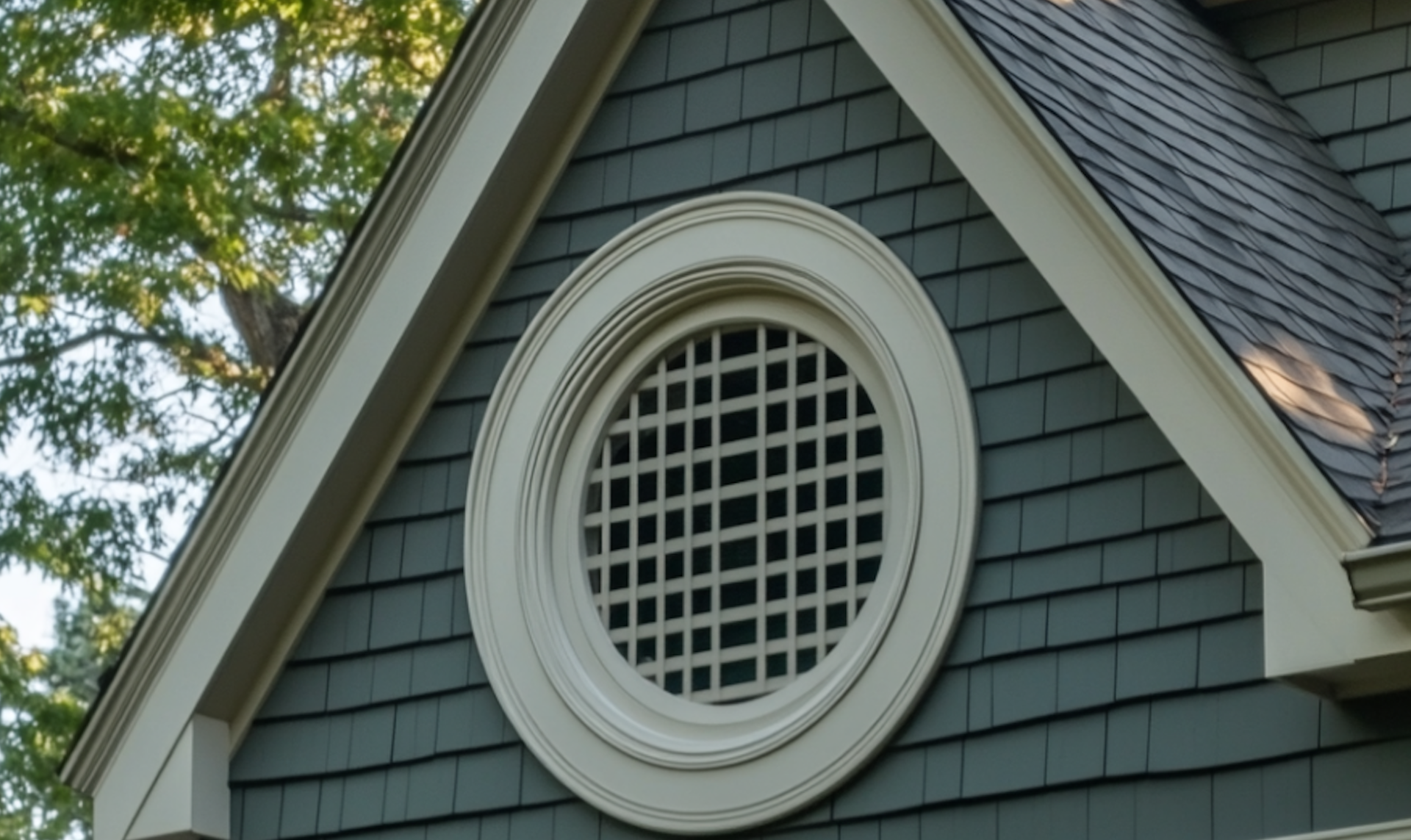
- Use Gable Vents: Gable vents are placed on the walls of the attic. While not as effective as ridge and soffit vents, they can supplement your ventilation system.
- Install Attic Fans: Attic fans actively remove hot air, especially during the summer. They can be solar-powered or electrically operated.
- Ensure Ventilation Paths Are Clear: Blocked vents or improperly installed insulation can impede airflow. Check regularly to ensure vents are unobstructed.
Best Insulation Materials for Roofs and Attics
Choosing the right insulation material is vital for energy efficiency and compatibility with your ventilation system. Some insulating materials will require additional ventilation, depending on their air-sealing qualities. Here are some of the best options:
- Spray Foam Insulation: Spray foam insulation provides the highest R-value of any material available and excellent air sealing qualities. However, its excellent air sealing qualities also require additional ventilation to ensure proper airflow.
- Fiberglass Batts: Fiberglass batts can be installed between standard joists, helping to block desired air from escaping where it’s most vulnerable. This is generally one of the most affordable options and can be installed DIY.
- Blown-in insulation: Blown-in insulation can fit between irregular spaces and fill any gaps on your roof. It will settle over time, losing efficiency, but it is rated to last an average of 20 years.
Get My Free Attic Insulation Quote Now
How to Install Insulation Around Ventilation
Properly installing insulation around attic vents is critical to maintaining continuous airflow. Misplaced insulation can block intake or exhaust points, trapping heat and moisture that lead to mold, wood rot, and high energy bills.
Follow these five essential steps to insulate around your ventilation correctly:
1. Identify Ventilation Points
Before installing insulation, locate all ventilation points, including ridge, soffit, and gable vents, and ensure they are free of obstructions. Once you have identified these, you may have to cut your insulation or adjust your blower to prevent obstructions.
2. Use Vent Baffles
Install baffles between rafters where insulation might otherwise block airflow.
An attic vent baffle (or rafter vent) is a plastic or cardboard channel installed between roof rafters. It creates a dedicated pathway for fresh air to flow from the soffit vents up into the attic, preventing insulation from blocking the opening.
Always install baffles at the eaves before adding insulation. Secure them directly to the roof decking to guarantee a clear channel for incoming air.
3. Leave Clearance Around Vents
Never pack insulation tightly against a vent opening. Leave a visible gap between the top of your insulation layer and the roof deck or exhaust opening to allow air to move naturally via convection.
When using blown-in or fiberglass insulation, leave a 2-3-inch gap around vents to ensure air circulation. The same will be true if you use fiberglass batts or rolls.
4. Avoid Compressing Insulation
When working around tight spaces near vents, do not force or compress fiberglass batts or blown-in insulation. Compressing insulation flattens its air pockets, which drastically reduces its R-value (thermal resistance) and effectiveness. Instead, carefully trim the material to fit perfectly around the baffle or vent structure.
5. Seal Gaps and Cracks
Finish off your work by air-sealing your attic to prevent unnecessary heat loss and moisture from seeping through cracks.
Use spray foam or caulk to seal gaps around ducts, pipes, and other penetrations to prevent air leaks.
Spray foam insulation provides natural air-sealing properties, so it will be one less thing you need to worry about.
Get My Free Attic Insulation Quote Now
When to Seek Professional Help for an Attic Insulation Project in NEPA
While DIY insulation projects can save money, many homeowners struggle with installing proper ventilation to prevent damage to their roof or attic. Contact a professional if you are dealing with the following scenarios.
- Complex Attic Layouts: Professionals have the expertise to navigate difficult spaces and ensure proper ventilation. They will most likely recommend spray foam or blown-in insulation to fill between irregular spacing and provide added ventilation for older homes that have little.
- Mold or Moisture Issues: If your attic shows signs of mold or significant moisture problems, a contractor can address them before installing insulation. Old and moldy insulation will need to be removed and typically requires a professional, as it can be hazardous to your health.
- Asbestos Concerns: Many older homes in Northeast Pennsylvania still contain asbestos insulation, which always requires specialized removal and handling.
- Spray Foam Installation: If you plan to install spray foam insulation, contact a professional. Not only does this insulation require a specialized tool, but it also requires additional ventilation to prevent moisture buildup in the summer.
By balancing high-performance insulation with a strategic ventilation system, NEPA homeowners can protect their roofs from seasonal damage, eliminate moisture risks, and enjoy a more comfortable, energy-efficient home year-round.
Get My Free Attic Insulation Quote Now
FAQs
Why is attic ventilation important?
Attic ventilation helps regulate temperature, control moisture, and extend the life of your insulation and roof materials. Proper ventilation reduces the risk of mold growth and ice dams while improving energy efficiency.
How do I know if my attic has poor ventilation?
Signs of poor attic ventilation include excessive heat in the attic, visible mold or mildew, condensation on attic windows, and higher-than-usual energy bills. Ice dams in winter can also indicate ventilation issues.
Can I install attic ventilation myself?
While basic ventilation improvements like adding soffit vents can be a DIY project, more complex tasks such as installing ridge vents or attic fans may require professional expertise to ensure proper installation.
Can you have too much attic ventilation?
Yes, it is possible to over-ventilate an attic. If you have too many exhaust vents relative to your intake vents, the system can create a vacuum effect that pulls conditioned air right out of your living spaces or sucks rain and snow into the attic. A perfectly optimized attic requires a precise, balanced 1:1 intake-to-exhaust ventilation ratio.
Will attic ventilation help lower my energy bills?
Absolutely. In the hot summer months, proper ventilation prevents trapped radiant heat from baking your ceiling and radiating down into your living spaces, drastically reducing the workload on your air conditioning. In the winter, it keeps your attic dry so your insulation stays fluffy and fully functional, optimizing its thermal performance.
How does attic ventilation prevent ice dams in NEPA?
Ice dams occur when warm attic air melts snow on your roof, causing water to run down and refreeze at the colder eaves. Proper attic ventilation flushes out that trapped warm air, keeping the roof deck at a uniform, cold temperature. This prevents snow from melting unevenly and stops destructive ice dams from forming in the first place.
Should I cover my attic vents during the winter?
No, you should never cover your attic vents in the winter. While it might seem like you are trapping warmth inside, blocking vents actually traps household moisture inside the attic. This moisture will condense on cold wooden rafters, quickly leading to wood rot, compromised insulation performance, and hazardous mold growth.